The Yorkiepoo
Spirited, devoted, and small enough to take everywhere — Yorkiepoos pair the boldness of the Yorkshire Terrier with the intelligence and low-shedding coat of the Poodle.
History & Origin
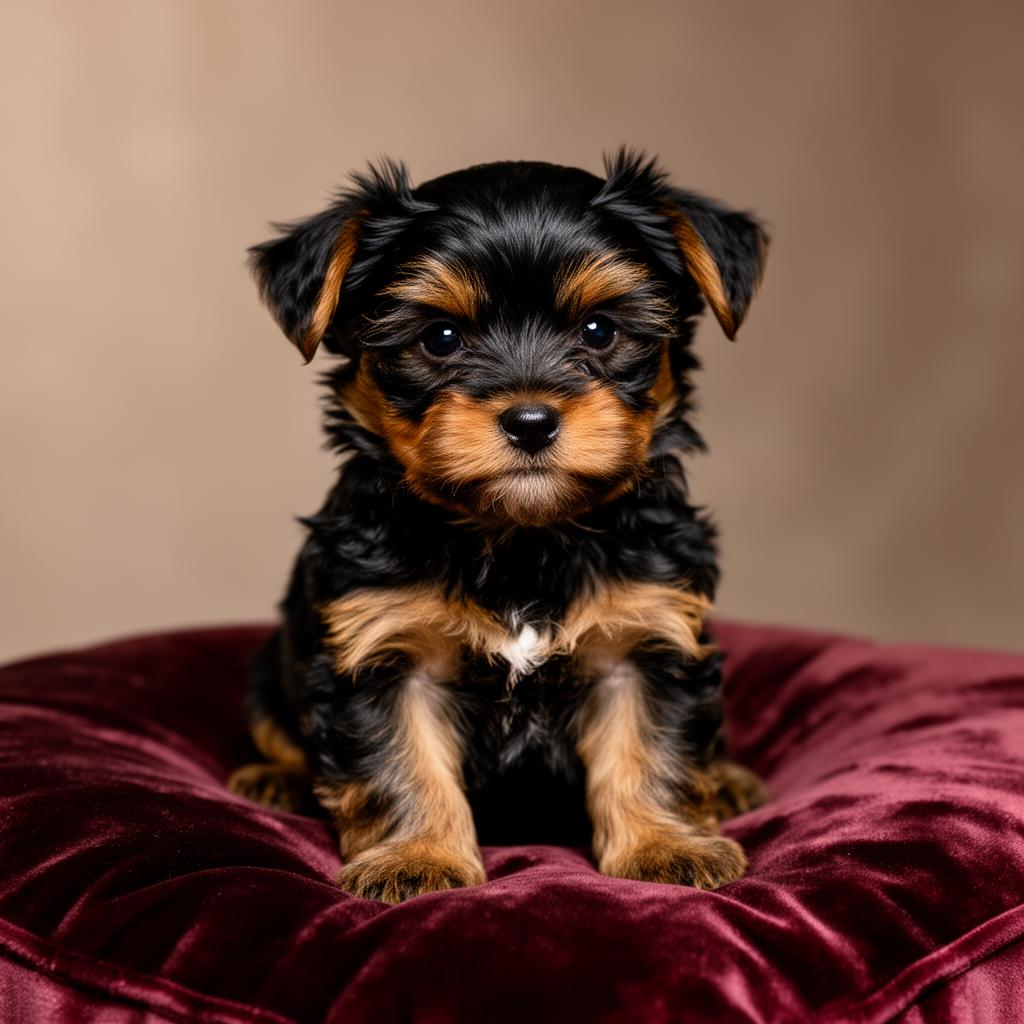
The Yorkiepoo (also called Yorkipoo or Yorkapoo) is a North American hybrid that emerged in the late 1990s. Breeders combined the Yorkshire Terrier — a confident, devoted companion — with the Toy or Miniature Poodle to produce a small, affectionate dog with a coat that sheds very little.
Demeanor & Personality
Confident, lively, playful, and surprisingly bold for their size. Yorkiepoos are intelligent, intuitive, and form deep bonds with their primary person. They can be a touch sassy and benefit from consistent, positive training from day one.
Friendliness
Devoted to family and warmly affectionate at home. They do well with respectful older children and can live happily with other pets when socialized early. Yorkiepoos may be reserved or alert with strangers at first — early, gentle socialization helps tremendously.
Exercise Needs
About 30–45 minutes per day. Short walks, indoor fetch, training games, and puzzle toys satisfy their busy minds. They thrive in apartments and small homes and do not need a yard.
Feeding
Small-breed puppy food, very small meals 4 times per day until 12 weeks (hypoglycemia risk is real in tiny puppies), 3 meals through 6 months, then 2–3 meals as adults. Adults typically eat ¼ to ½ cup per day. Free access to fresh water at all times.
Coat & Grooming
Silky to curly coat, very low-shedding and often well tolerated by allergy-sensitive families. Brush every 1–2 days to prevent matting, professional groom every 4–6 weeks, weekly ear cleaning, and frequent dental care — small breeds are prone to tartar.
Size & Lifespan
Adults stand 7–10 inches tall and weigh 4–14 lb depending on the Poodle parent. Lifespan is 12–15 years. Responsible breeders screen for patellar luxation, dental issues, Legg-Calvé-Perthes disease, progressive retinal atrophy, and hypoglycemia tendencies — we do.
Best Fit For
Apartment living, singles and couples, retirees, and allergy-sensitive families with attentive owners. Because of their small size and hypoglycemia risk, they are best in homes with older children (8+) who can handle them gently.
The Parent Breeds
Yorkshire Terrier
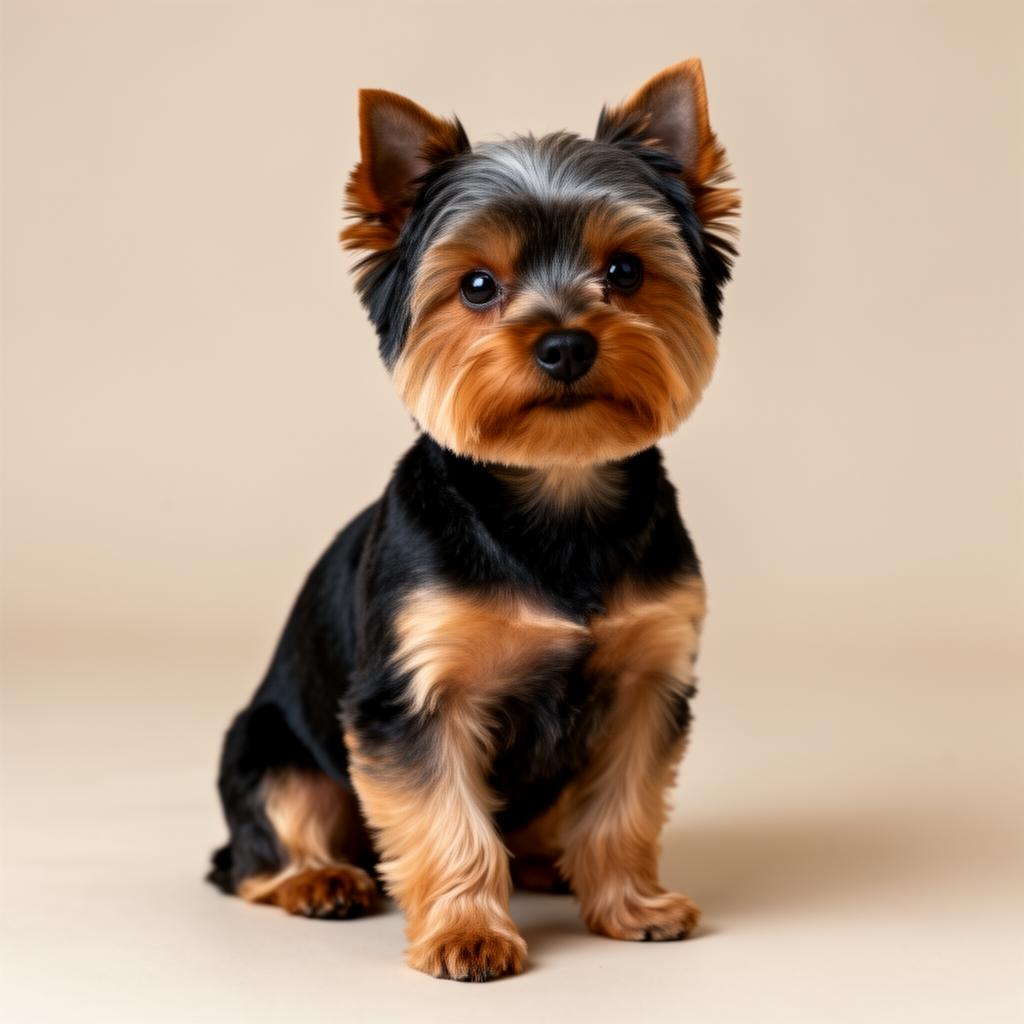
Bold, loyal, and full of personality. Yorkies bring confidence and a low-shedding silky coat to the cross.
Toy / Miniature Poodle
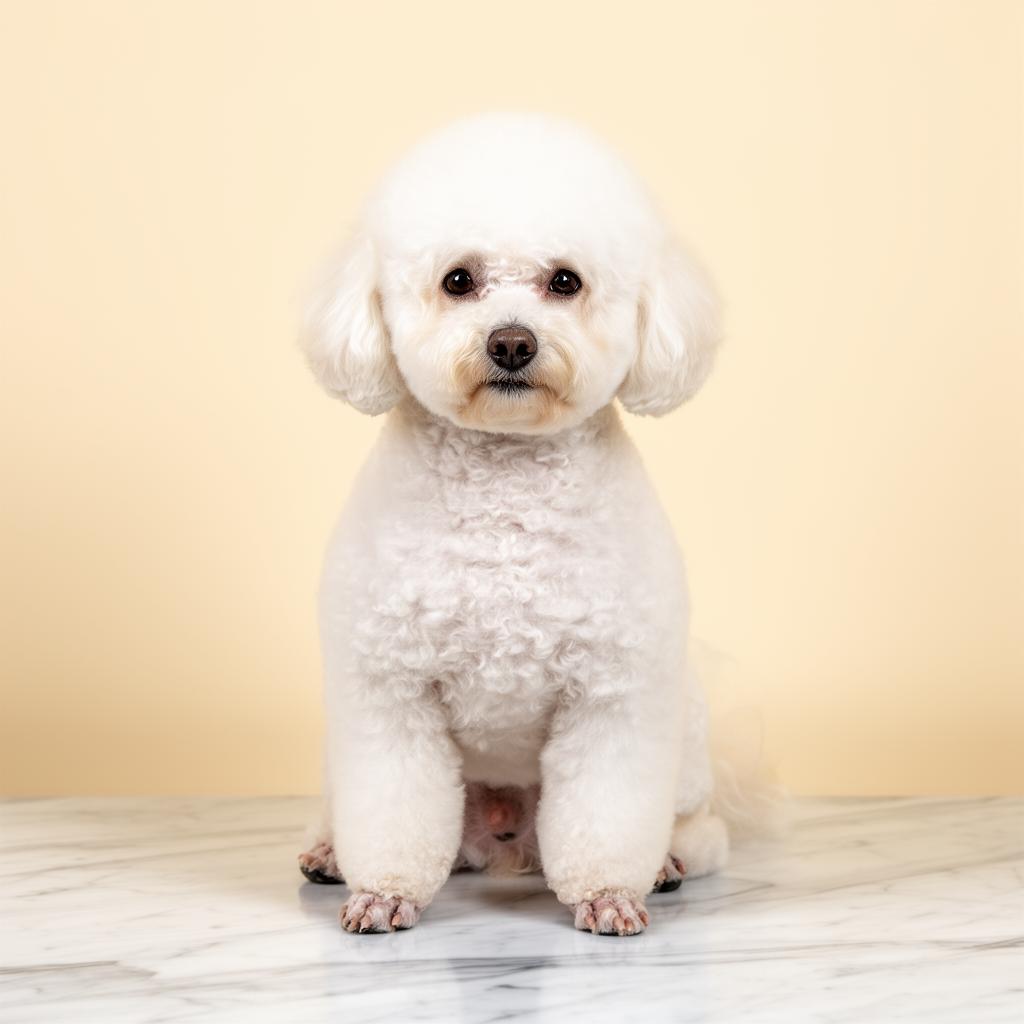
Highly intelligent, athletic, and low-shedding. Poodles bring trainability and a hypoallergenic-leaning coat.
The "Brown Sugar" Litter is here — our first F1B Yorkiepoos, born August 25, 2026 to Marley (Yorkiepoo) × Simba (Toy Poodle): Dre (apricot male) and Syd (black female). Curlier, exceptionally low-shedding coats and the most allergy-friendly version of the breed. Ready for pickup around October 20, 2026.
F1, F1B, F2 — what does it all mean?
Doodle generations describe how much Poodle is in the cross. Higher Poodle percentages generally produce curlier, lower-shedding coats that are friendlier for allergy-sensitive families. Our program is currently F1 (Cavalier × Toy Poodle, Yorkshire Terrier × Toy Poodle), F1B with planned multigenerational pairings using Toy Poodle and Cavapoo studs back to our Maltipoo, Cavapoo and Yorkiepoo dams.
| Generation | Cross | Coat / Shedding | Hypoallergenic-leaning |
|---|---|---|---|
| F1 | Purebred parent × Purebred Toy Poodle (e.g. Cavalier × Toy Poodle = F1 Cavapoo) | Wavy, light shedding | Often, varies puppy to puppy |
| F1B | F1 doodle × Toy Poodle (e.g. F1 Cavapoo × Toy Poodle) | Curlier, very low shedding | Most allergy-friendly option |
| F1BB | F1B × Toy Poodle | Tightest curl, lowest shedding | Highest |
| F2 | F1 × F1 doodle | Variable — wavy to curly | Variable |
| F2B | F2 × Toy Poodle, or F1 × F1B | Curlier, low shedding | High |
| F1 × F1BB (F2B/F2BB) | F1 doodle × F1BB doodle (~68.75% Poodle) | Curly to very curly, low shedding | High — comparable to F1B |
| F2BB | F2B × Toy Poodle | Very curly, very low shedding | Very high |
| F3 / Multigen | F2 or later × F2 or later doodle (or backcross) | Consistent curly coats | Predictable, high |
A note on allergies: no dog is 100% hypoallergenic. High-Poodle-percentage doodles (F1B and beyond) shed minimally and produce far less dander, making them an excellent fit for many allergy-sensitive families. We always recommend spending time with your puppy's parents before committing.